Discover how AI-powered clinical trial matching can help breast cancer patients and oncologists identify potentially relevant clinical trials faster—and understand its benefits and limitations.
A new AI model analyzes routine H&E pathology slides to predict TP53 mutations, RNA expression, tumor type and survival outcomes across 32 cancer types.
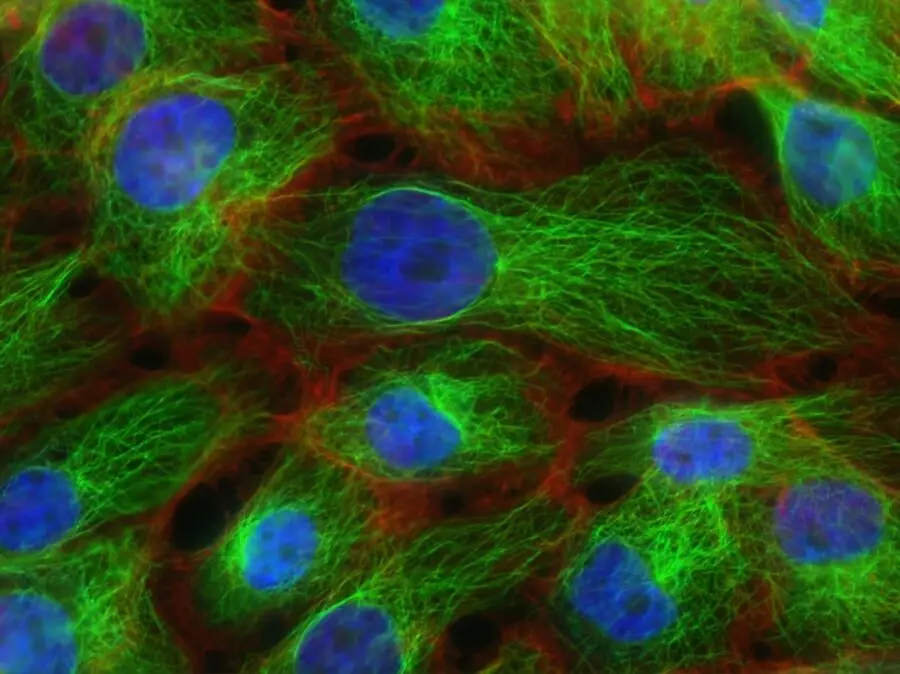
GenBio AI's AIDO Cell aims to simulate human cells from DNA and RNA to proteins and whole-cell behavior. Explore what virtual cells could mean for drug discovery and cancer research.
What if biology could be designed, tested and optimized in much the same way that engineers develop a new technology? That idea sits at the heart of synthetic biology—an interdisciplinary field that combines molecular biology, genetics, engineering, computational science and biotechnology to design or modify biological systems for specific purposes. Synthetic biology is moving beyond […]
Read Research →
Related resources
Articles, applications and infographics across the same subject matter.