Synthetic Biology: How We Are Engineering Biology for the Future of Medicine
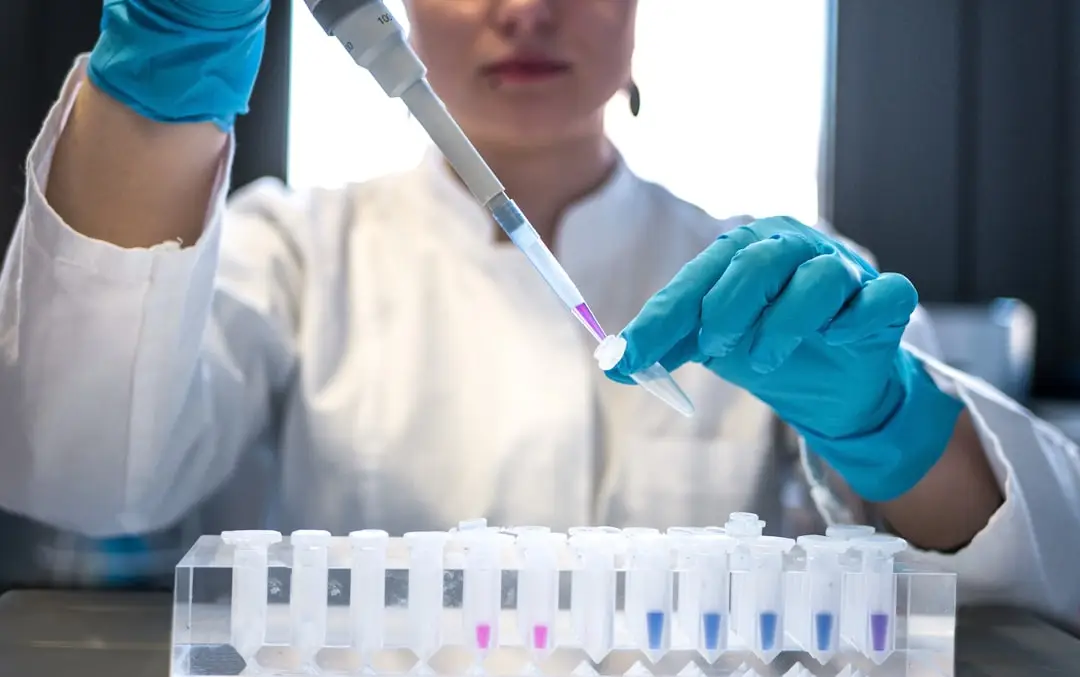
What if biology could be designed, tested and optimized in much the same way that engineers develop a new technology?
That idea sits at the heart of synthetic biology—an interdisciplinary field that combines molecular biology, genetics, engineering, computational science and biotechnology to design or modify biological systems for specific purposes.
Synthetic biology is moving beyond the laboratory. Researchers are exploring engineered cells, biological circuits, programmable genetic systems and computationally designed biological components for applications ranging from medicine and drug development to agriculture and environmental sustainability.
For healthcare, one of the most exciting possibilities is the ability to engineer biological systems that can detect disease, produce therapeutic molecules or respond to specific biological signals.
In cancer research, synthetic biology is particularly interesting because tumors are complex biological systems that can sometimes be difficult to target using conventional approaches.
What Is Synthetic Biology?
Synthetic biology is the application of engineering principles to biological systems.
Traditional molecular biology often focuses on understanding how biological systems work. Synthetic biology adds another dimension: designing biological components or systems to perform a desired function.
These systems may involve:
- DNA and genetic circuits
- Engineered cells
- Proteins and enzymes
- RNA-based systems
- Microorganisms
- Computationally designed biological components
- Biological sensors and control systems
The goal is not simply to manipulate biology, but to make biological systems more predictable, programmable and useful.
How Does Synthetic Biology Work?
A central concept in synthetic biology is an iterative design-build-test-learn (DBTL) cycle.
1. Design
Researchers first define the biological function they want to achieve.
Computational tools can help identify genetic sequences, biological components or regulatory elements that may produce the desired behavior.
2. Build
The designed biological system is constructed using techniques such as DNA synthesis, genetic engineering, genome editing or cellular engineering.
3. Test
Researchers then test whether the engineered system performs as expected.
Measurements can include gene expression, protein production, cellular behavior, metabolic activity or therapeutic activity.
4. Learn
The experimental results are analyzed to understand what worked and what did not.
Those insights are then used to redesign the system.
The cycle is repeated until the biological system reaches the desired level of performance.
This iterative approach is one reason computational modeling, automation and artificial intelligence are becoming increasingly important in synthetic biology.
Technologies Driving Synthetic Biology
Modern synthetic biology relies on several rapidly advancing technologies.
DNA Synthesis
DNA synthesis allows researchers to construct designed genetic sequences rather than relying exclusively on naturally occurring DNA.
This provides greater flexibility when developing engineered biological systems.
Genome Editing
Technologies such as CRISPR-based genome editing have expanded the ability to modify genetic information with increasing precision.
Genome editing can be used to investigate gene function and develop engineered cells for research and therapeutic applications.
Genetic Circuits
Researchers can construct biological circuits in which genes are activated or suppressed in response to specific signals.
These circuits can function somewhat like biological control systems.
For example, an engineered cell could potentially be designed to respond differently when it encounters a particular molecular environment.
Computational Biology and AI
Artificial intelligence and machine learning can help researchers analyze large biological datasets and identify relationships that may be difficult to detect manually.
AI can support areas such as:
- DNA sequence analysis
- Protein design
- Genetic circuit optimization
- Biomarker discovery
- Biological modeling
- Experimental design
- Predicting biological interactions
The combination of AI + synthetic biology could accelerate the DBTL cycle by helping researchers make better predictions before conducting laboratory experiments.
Synthetic Biology in Medicine
Healthcare is one of the most important areas for synthetic biology.
Researchers are investigating engineered biological systems for:
Drug Discovery
Synthetic biology can help create biological systems capable of producing complex molecules or testing biological pathways.
Engineered cells can also serve as experimental platforms for studying disease mechanisms and therapeutic responses.
Therapeutic Protein Production
Engineered microorganisms and cells can be programmed to produce valuable biological molecules, including therapeutic proteins.
This approach has already become an important part of modern biotechnology manufacturing.
Cell Therapy
Synthetic biology may allow researchers to program therapeutic cells with additional sensing and control functions.
Rather than simply introducing cells into the body, researchers can potentially engineer cells to recognize particular biological signals and respond accordingly.
Biological Sensors
Engineered cells may be developed to detect specific molecular signals.
Such biological sensors could eventually contribute to diagnostics, disease monitoring or targeted therapeutic strategies.
Synthetic Biology and Cancer Research
Cancer provides a particularly challenging environment for biological engineering.
Tumors contain heterogeneous populations of cells and interact with surrounding tissues, immune cells and signaling pathways.
Synthetic biology offers researchers new ways to investigate and potentially manipulate these systems.
Engineered Immune Cells
One major area of interest is the engineering of immune cells to recognize and respond to cancer-associated signals.
Synthetic biology approaches could potentially improve how therapeutic cells identify their targets and control their activity.
Tumor-Sensing Systems
Researchers are exploring biological systems capable of detecting characteristics associated with tumor environments.
The long-term goal is to develop systems that can distinguish disease-associated signals from healthy tissue with greater specificity.
Programmable Therapeutics
An important concept in synthetic biology is programmability.
Instead of designing a therapy that performs only one fixed function, researchers can investigate biological systems that respond to specific combinations of signals.
For cancer, this could eventually enable more sophisticated therapeutic decision-making at the cellular level.
However, these approaches remain active areas of research, and significant challenges involving safety, specificity, delivery and clinical translation remain.
Why AI Could Transform Synthetic Biology
Synthetic biology generates enormous amounts of biological data.
DNA sequences, gene-expression profiles, protein structures, cellular measurements and experimental results can all become inputs for computational models.
AI can help transform this data into actionable predictions.
A future synthetic-biology workflow could increasingly look like:
Biological question → AI-assisted design → Automated experiment → Data analysis → Model improvement → New design
This creates a feedback loop in which computational models and laboratory experiments continuously improve one another.
The combination could make biological engineering faster and more systematic.
Applications Beyond Healthcare
Synthetic biology is not limited to medicine.
Agriculture
Engineered biological systems may help researchers investigate crop traits, improve biological production systems and develop more sustainable agricultural approaches.
Industrial Biotechnology
Microorganisms can be engineered to produce chemicals, materials, enzymes and other useful compounds.
Environmental Biotechnology
Synthetic biology is also being investigated for applications involving waste processing, environmental monitoring and sustainable production.
These applications demonstrate the broader potential of engineering biological systems rather than treating biology as an entirely uncontrolled process.
The Challenges of Engineering Life
Despite its potential, synthetic biology is not simply a matter of designing DNA and obtaining a predictable biological result.
Living systems are highly complex.
A genetic modification that produces the desired effect in one biological context may behave differently in another.
Major challenges include:
- Biological complexity
- Unpredictable cellular behavior
- Off-target effects
- Genetic instability
- Delivery of engineered systems
- Scalability
- Manufacturing
- Biosafety
- Regulatory requirements
- Ethical considerations
This is why the design-build-test-learn cycle is so important.
Every experimental result provides information that can improve the next design.
The Future of Synthetic Biology
Synthetic biology is moving toward a future where biological systems may become increasingly designed, programmable and computationally optimized.
The convergence of:
Synthetic Biology + AI + Automation + Genomics + Advanced Computing
could fundamentally change how researchers approach biological engineering.
For oncology, this convergence could contribute to new approaches for understanding tumor biology, designing therapeutic cells, identifying biological targets and developing more personalized treatment strategies.
However, scientific progress will depend not only on technological capabilities but also on rigorous validation, safety assessment, ethical oversight and responsible clinical translation.
Key Takeaways
- Synthetic biology applies engineering principles to biological systems.
- The design-build-test-learn cycle is central to biological engineering.
- DNA synthesis, genome editing, genetic circuits and computational biology are important enabling technologies.
- AI can help researchers design biological systems and analyze experimental data.
- Synthetic biology has applications in medicine, cancer research, agriculture, industrial biotechnology and environmental science.
- Engineered cells and programmable biological systems are emerging areas of biomedical research.
- Significant scientific, safety, regulatory and ethical challenges remain.
- The convergence of AI and synthetic biology could accelerate the development of next-generation biotechnology.
Frequently Asked Questions
What is synthetic biology?
Synthetic biology is an interdisciplinary field that uses engineering, biology and computational approaches to design or modify biological systems for specific functions.
How is synthetic biology different from genetic engineering?
Genetic engineering generally focuses on modifying an organism’s genetic material. Synthetic biology takes a broader engineering approach, aiming to design biological components, circuits and systems with predictable functions.
How is AI used in synthetic biology?
AI can assist with biological sequence analysis, protein design, genetic circuit optimization, experimental planning, biological prediction and analysis of large datasets.
Can synthetic biology be used in cancer treatment?
Researchers are investigating synthetic biology approaches for cancer, including engineered immune cells, tumor-sensing systems and programmable therapeutic strategies. Many of these approaches remain under active research and require further validation before widespread clinical use.
What is the design-build-test-learn cycle?
It is an iterative workflow in which researchers design a biological system, build it, test its performance, analyze the results and use those findings to create an improved design.
Conclusion
Synthetic biology represents a shift from simply observing biological systems toward engineering biological systems with defined functions.
As AI, automation, genomics and computational biology continue to advance, the ability to design and test biological systems may become increasingly sophisticated.
For healthcare and oncology, this convergence could open new possibilities for programmable therapeutics, engineered immune cells, biological sensing and more precise approaches to disease research.
The future of medicine may not only involve discovering what biology does—it may increasingly involve designing what biology can do.
Educational content only. This material is written for healthcare professionals and students. It is not medical advice, and it must not be used for diagnosis or treatment decisions. Clinical decisions remain the responsibility of a qualified healthcare professional. Full disclaimer
Related resources

Merck and Moderna announced positive topline results from the Phase 3 INTerpath-001 trial for an individualized mRNA-based cancer therapy in melanoma.
Discover how AI-powered clinical trial matching can help breast cancer patients and oncologists identify potentially relevant clinical trials faster—and understand its benefits and limitations.

A new AI model analyzes routine H&E pathology slides to predict TP53 mutations, RNA expression, tumor type and survival outcomes across 32 cancer types.